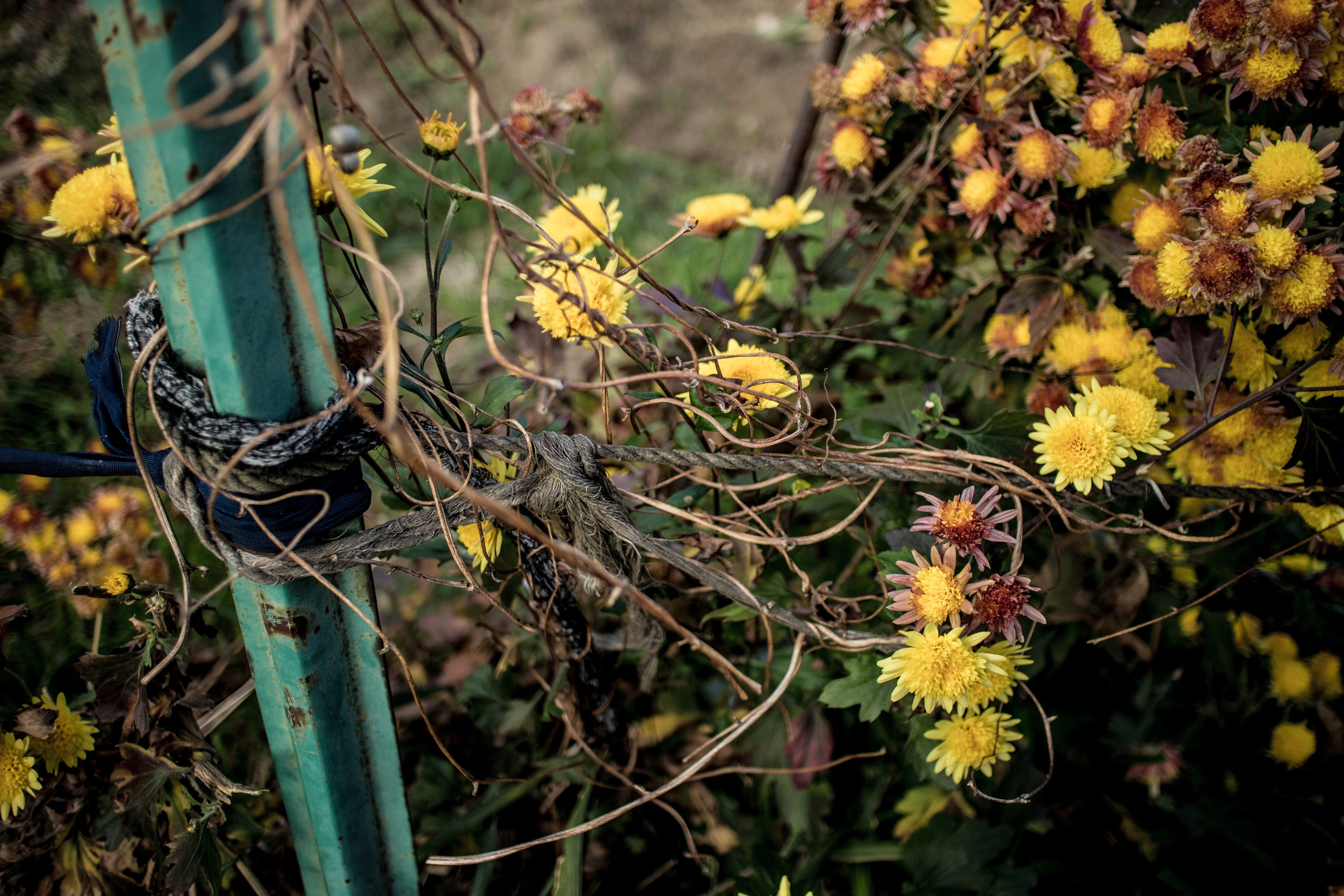
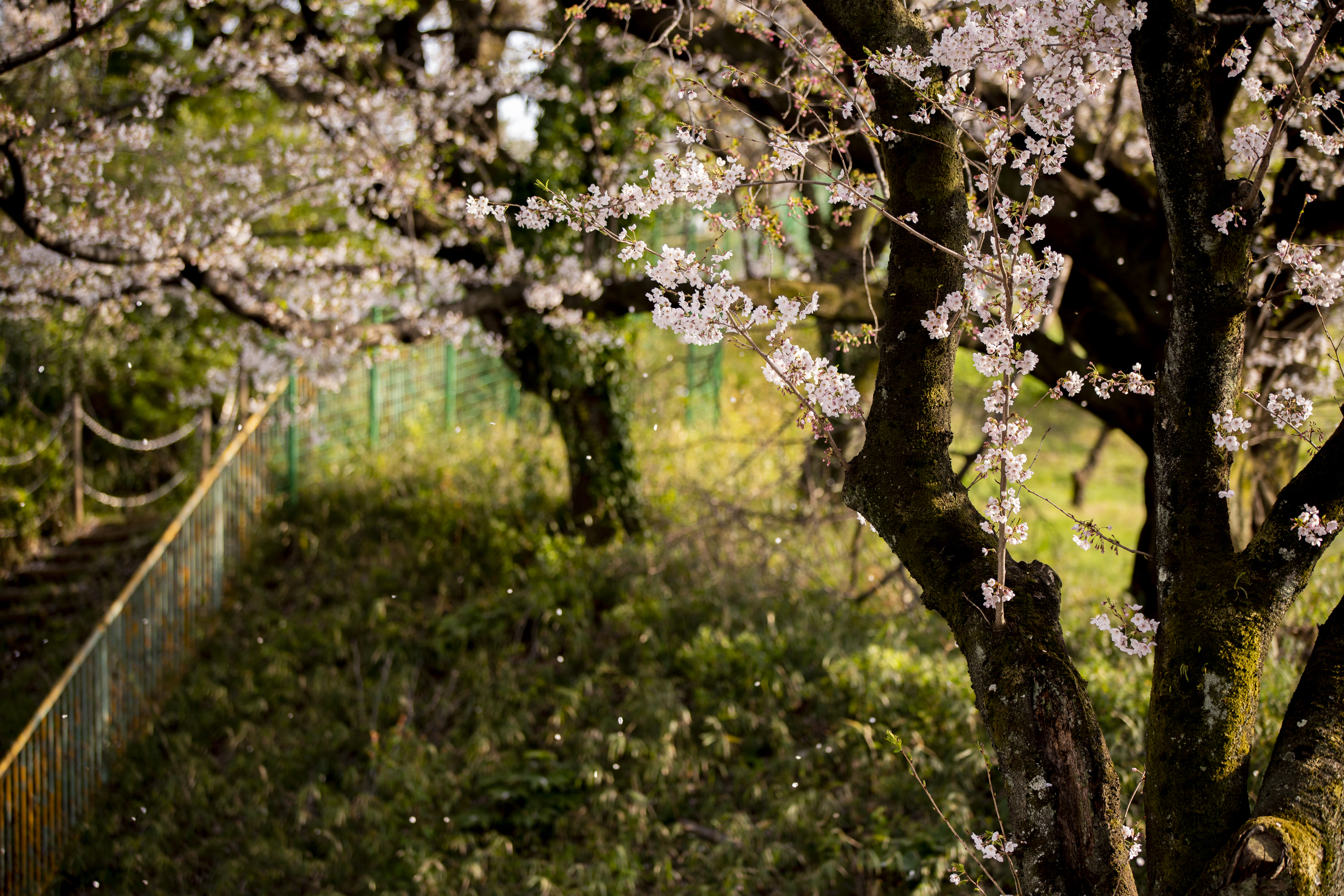
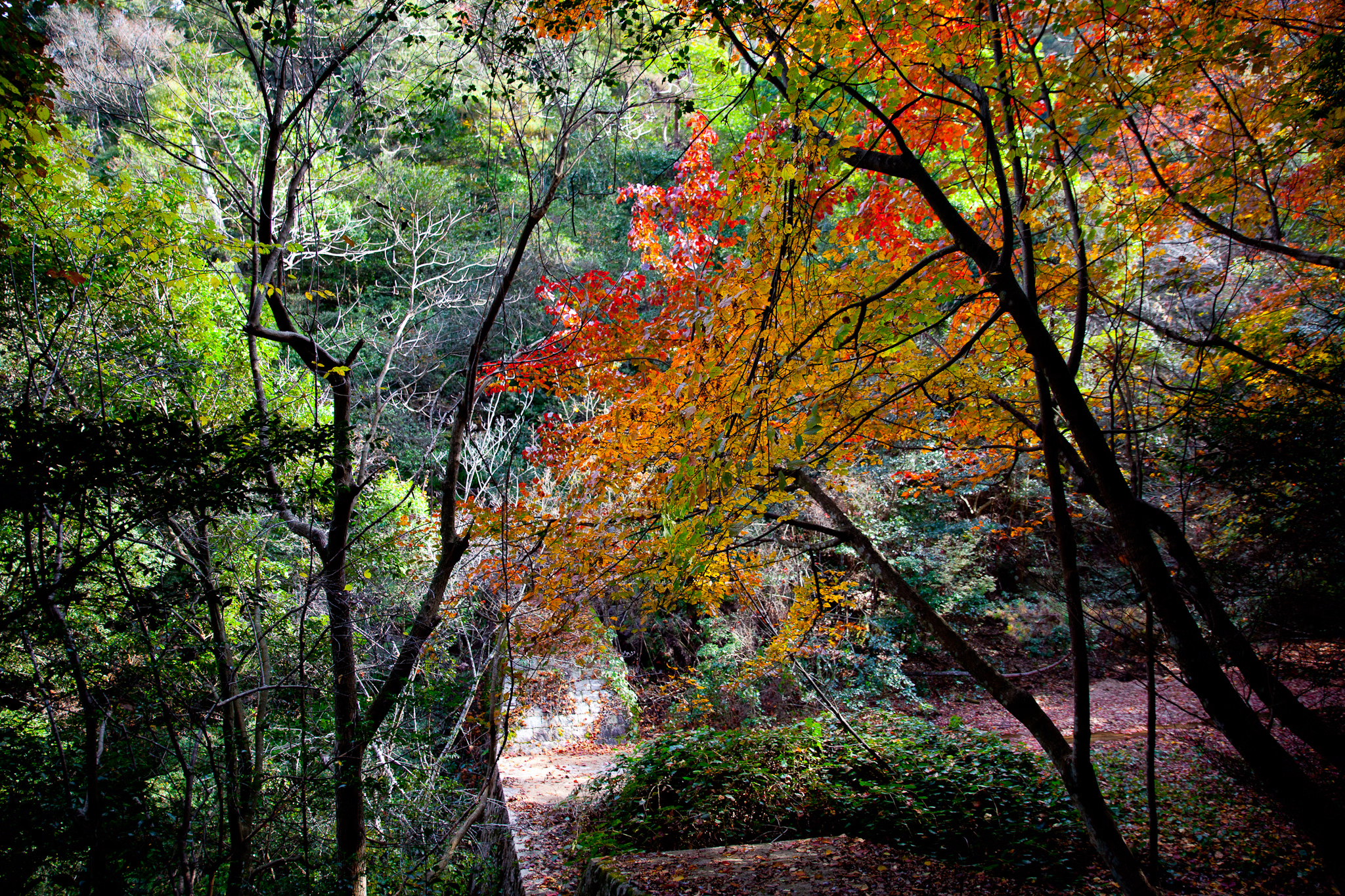
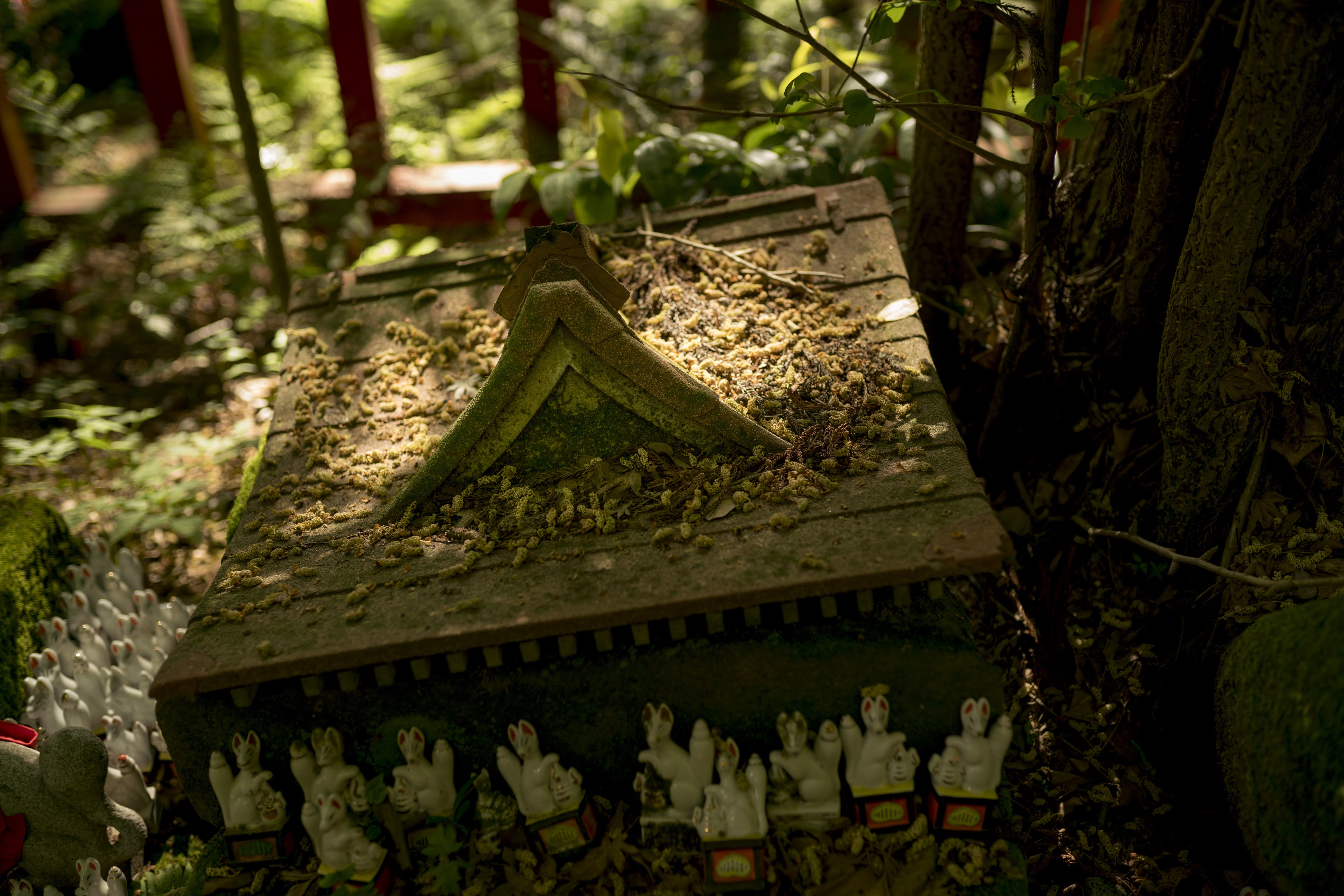
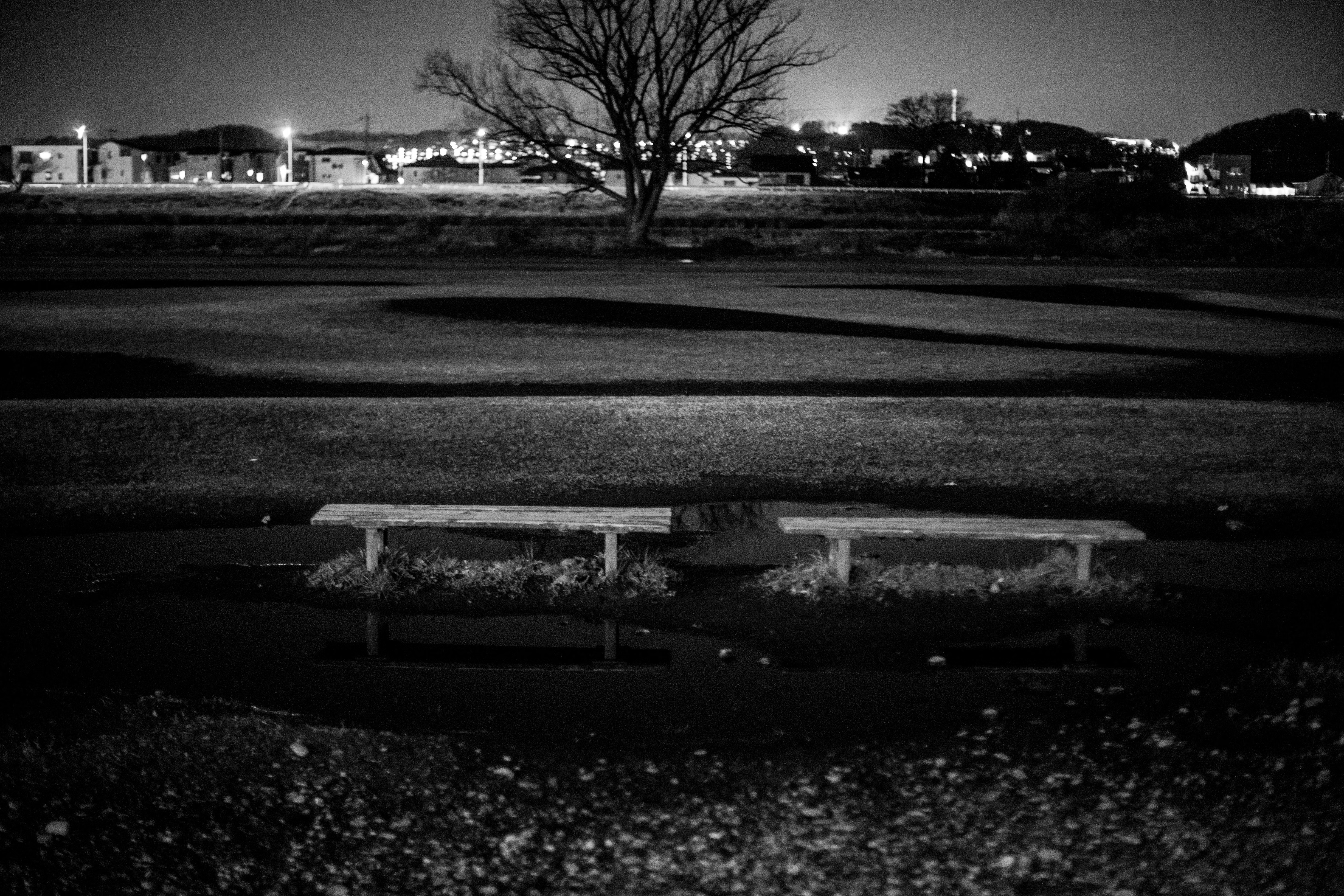
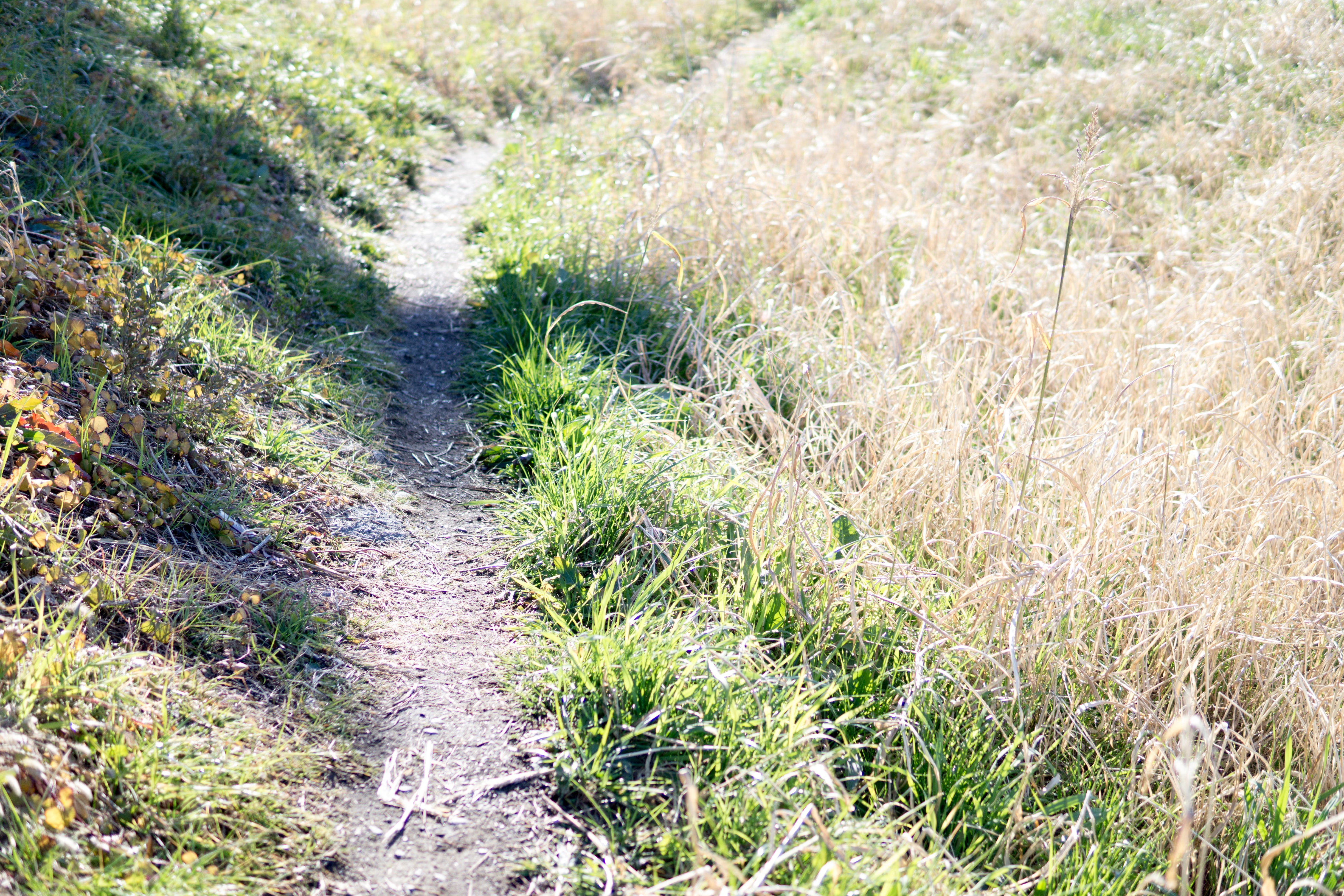
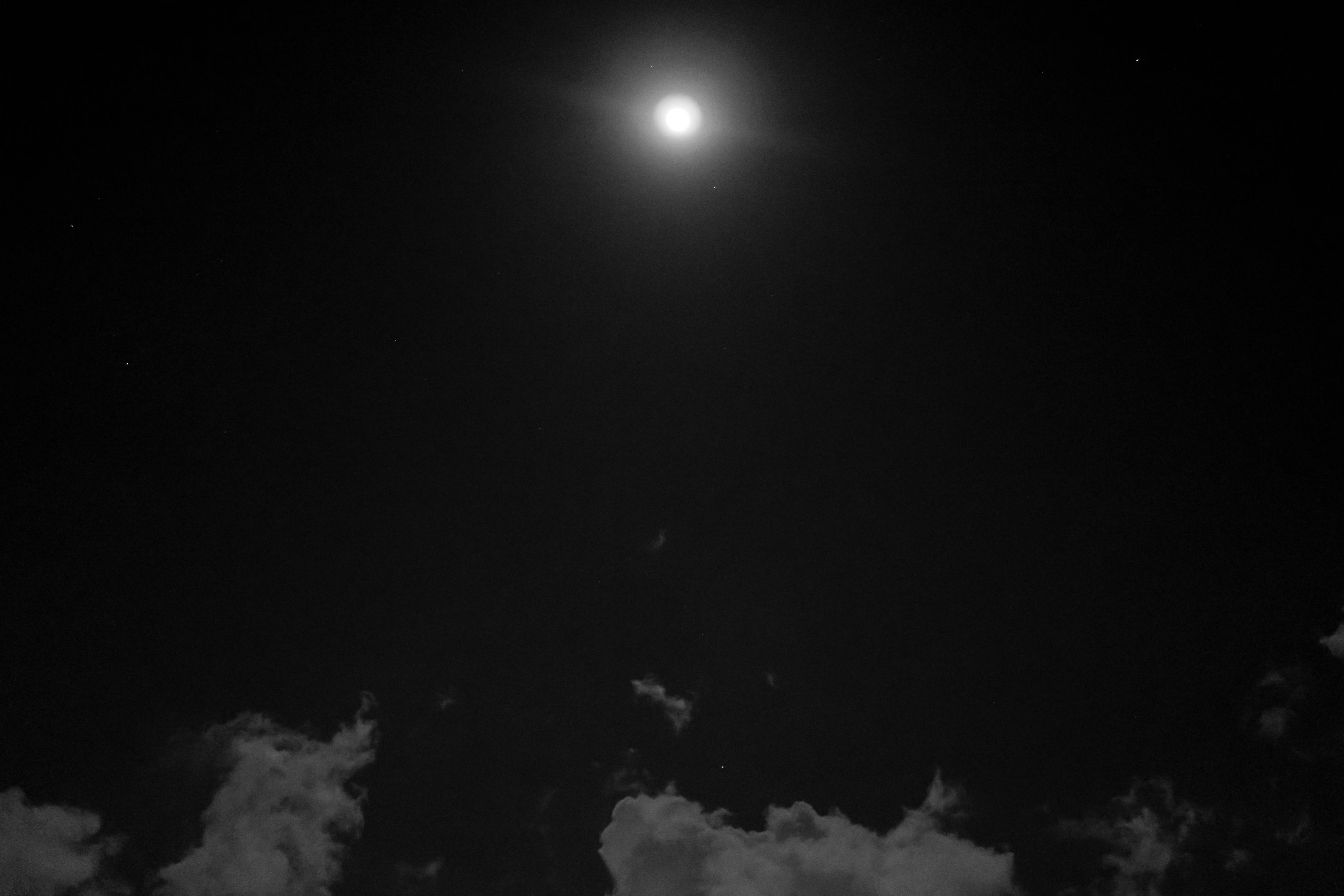
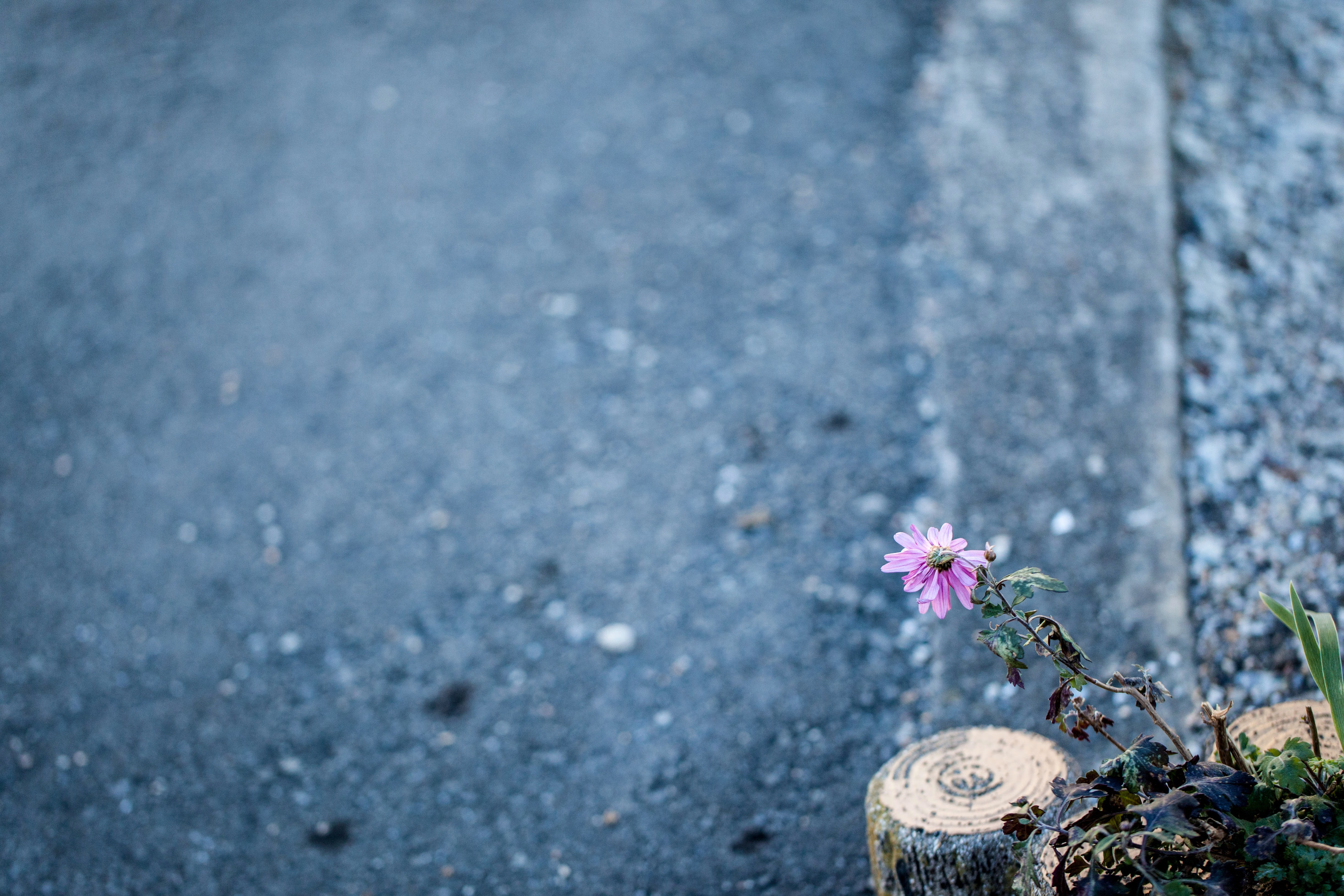
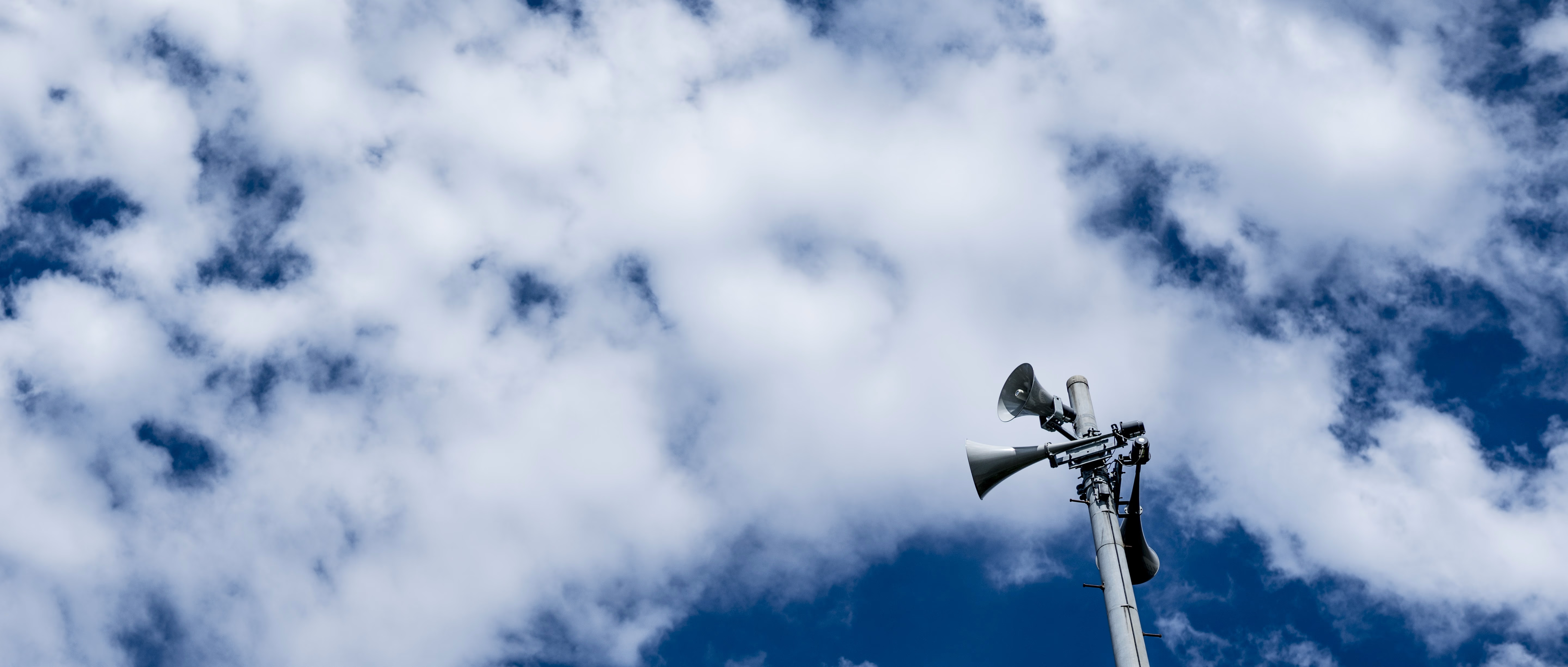
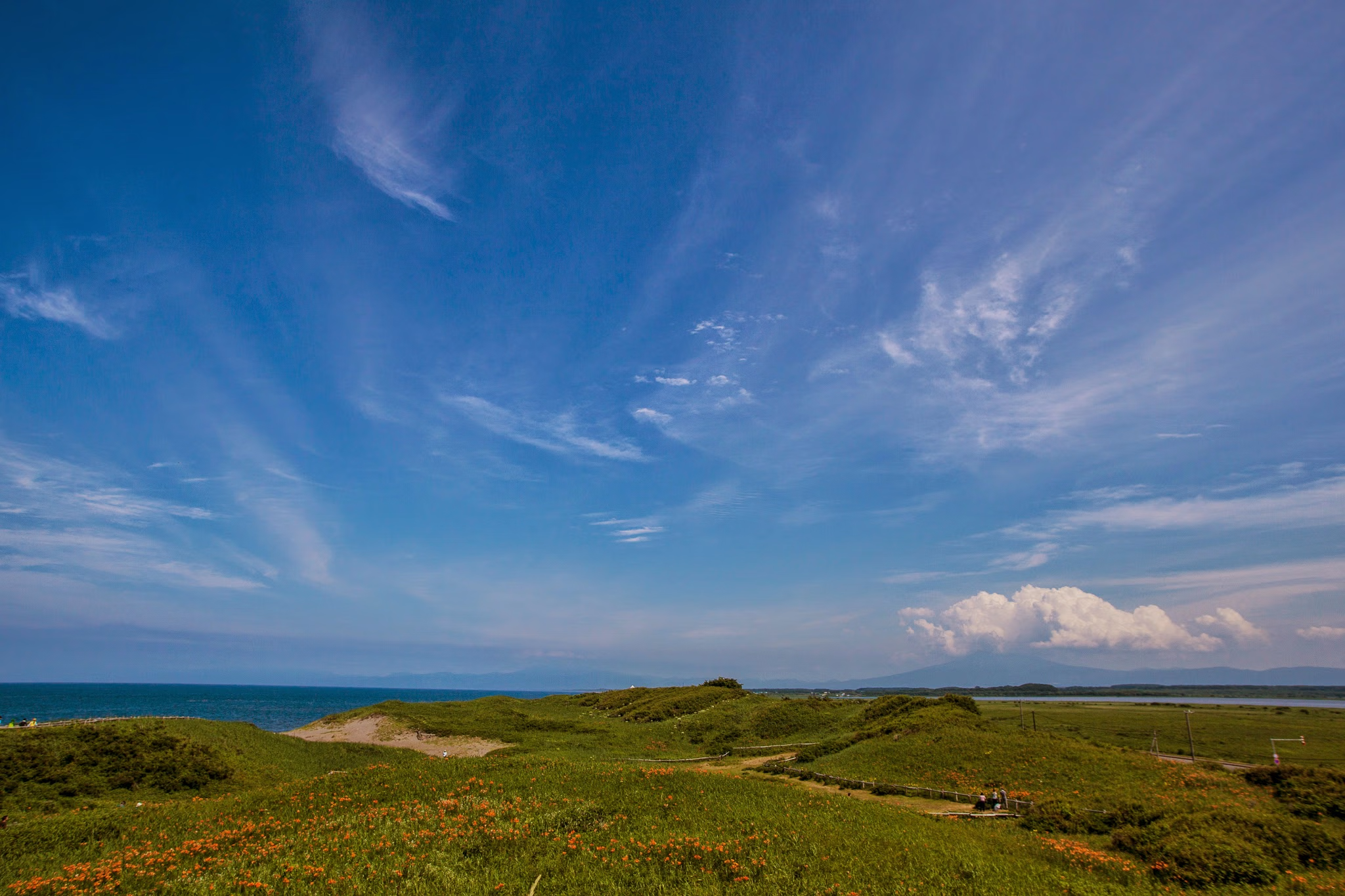
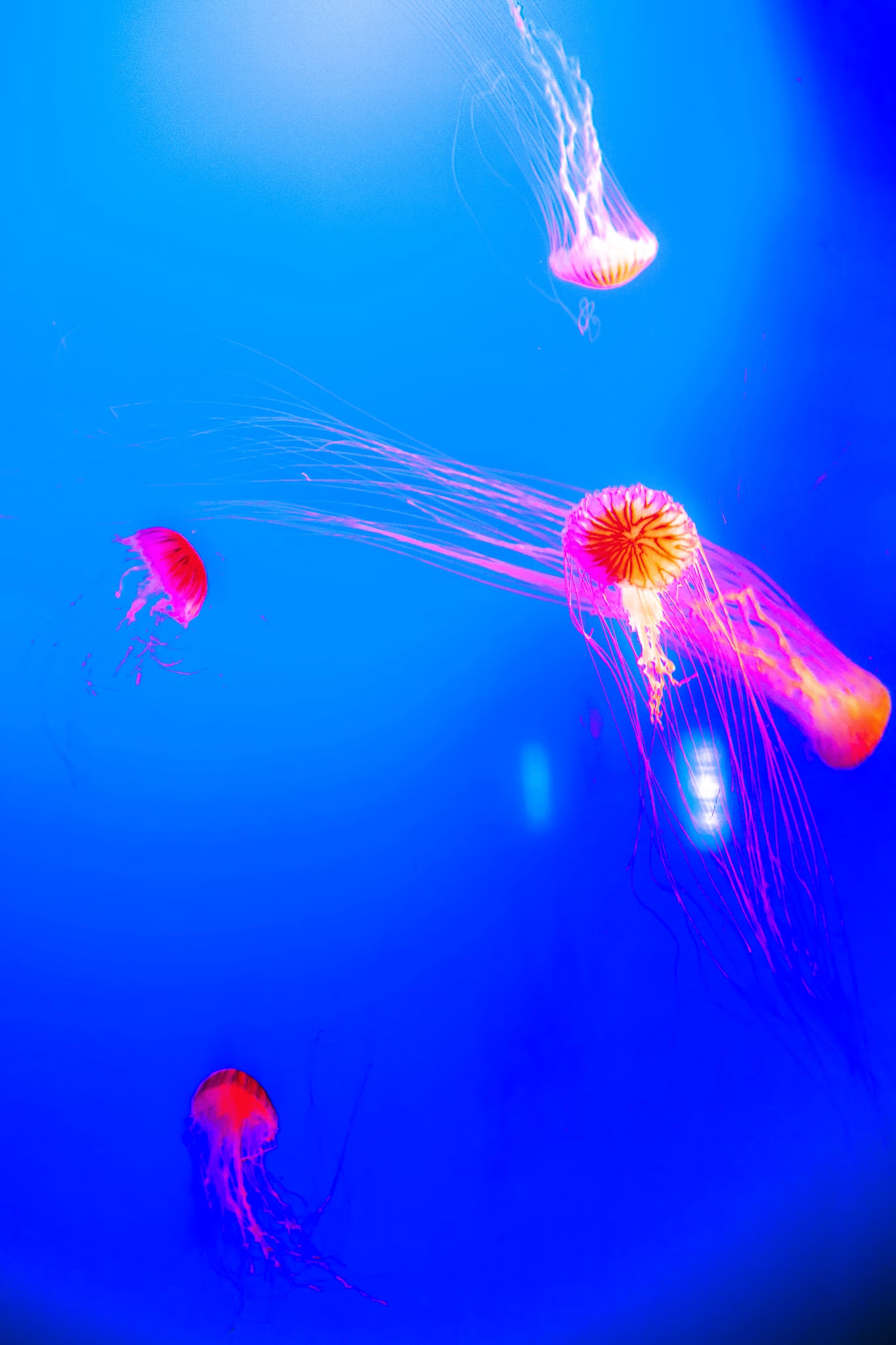
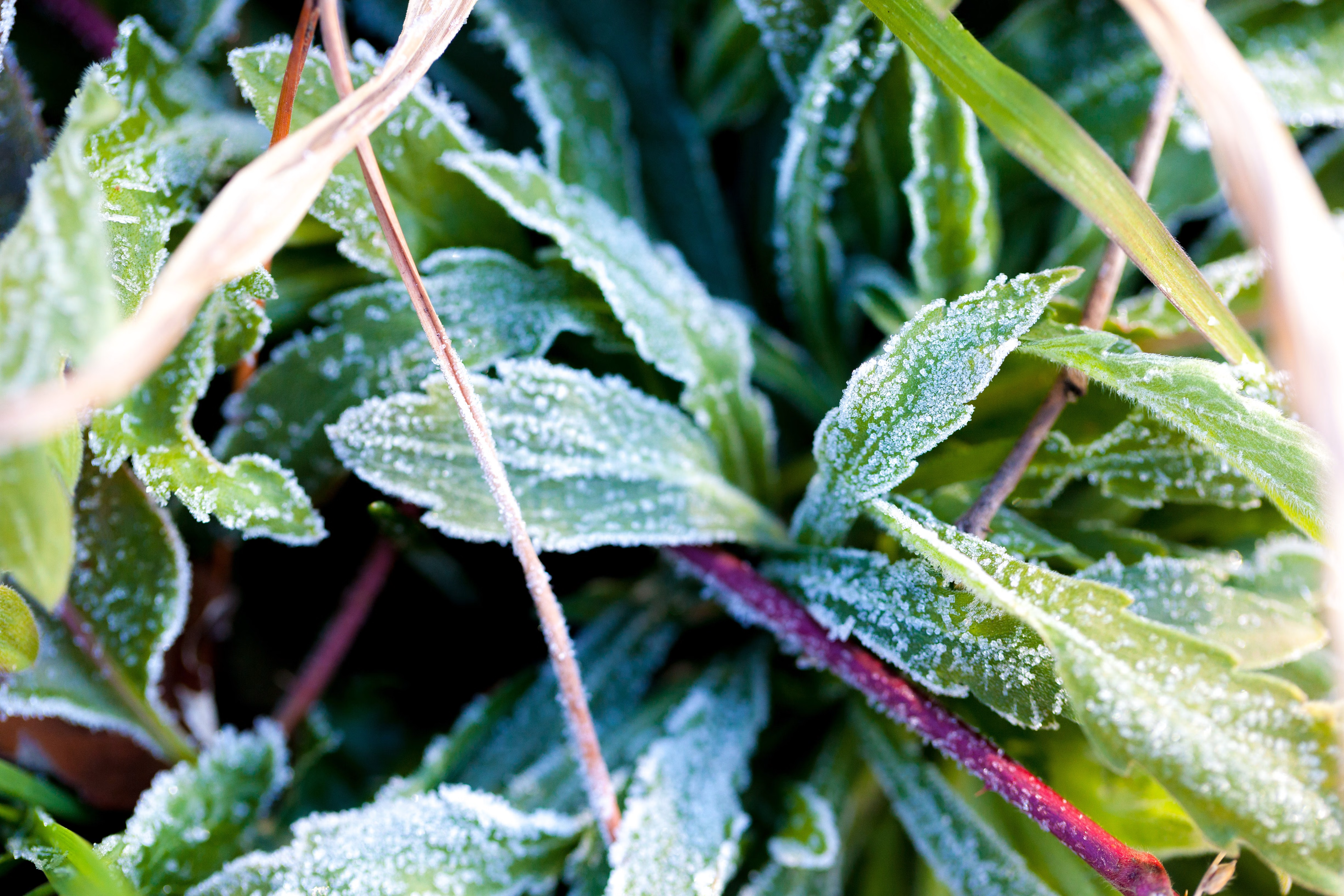
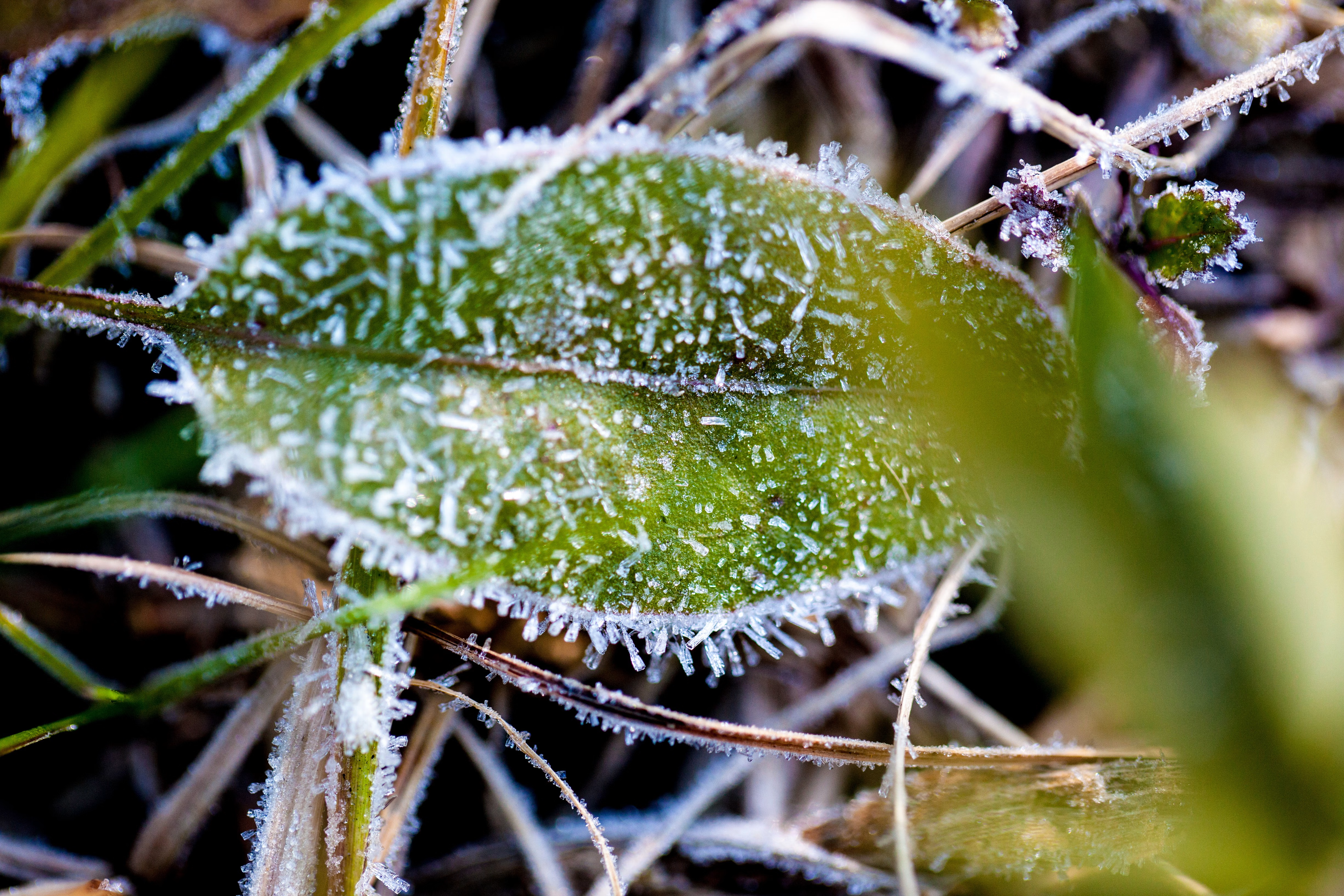
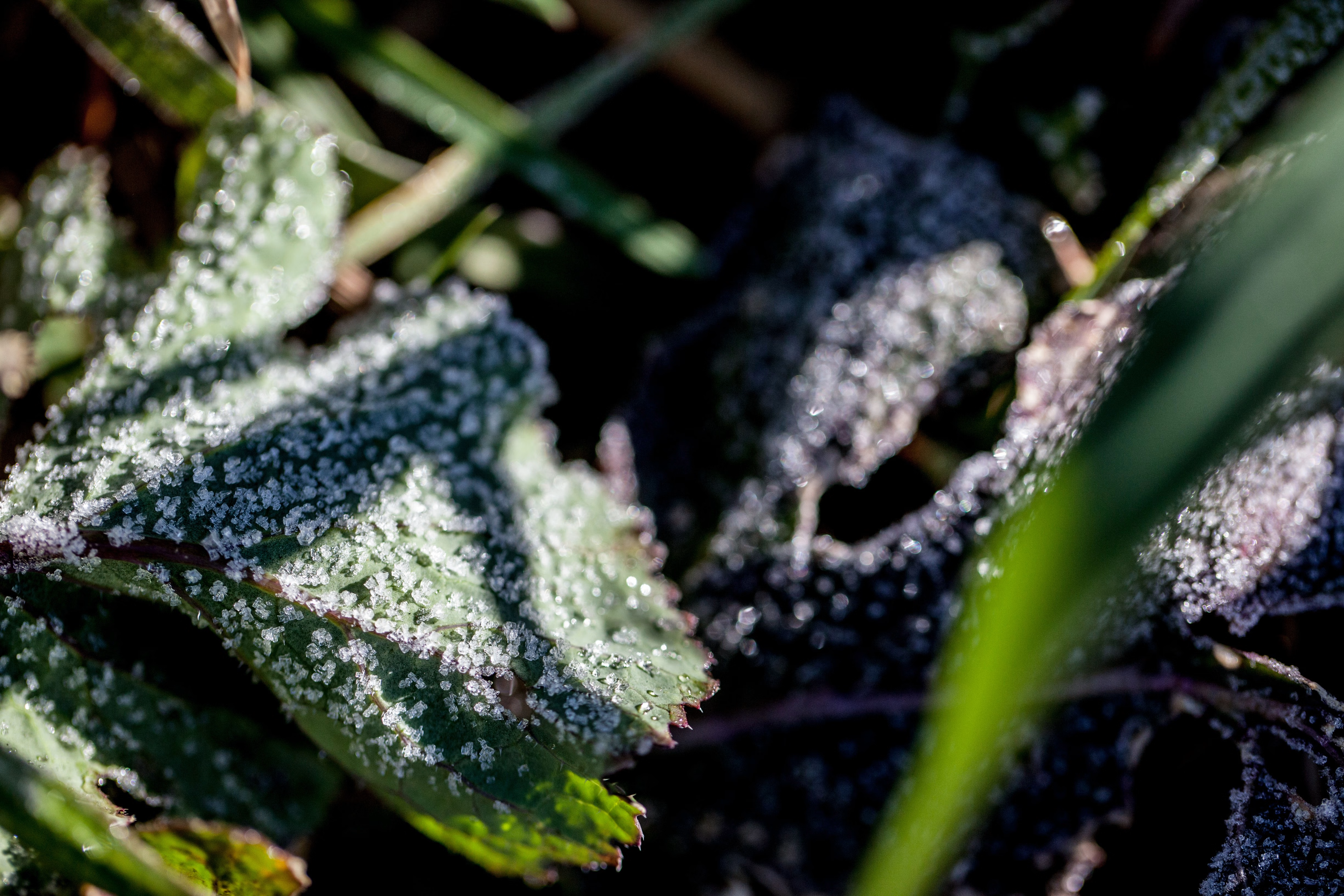
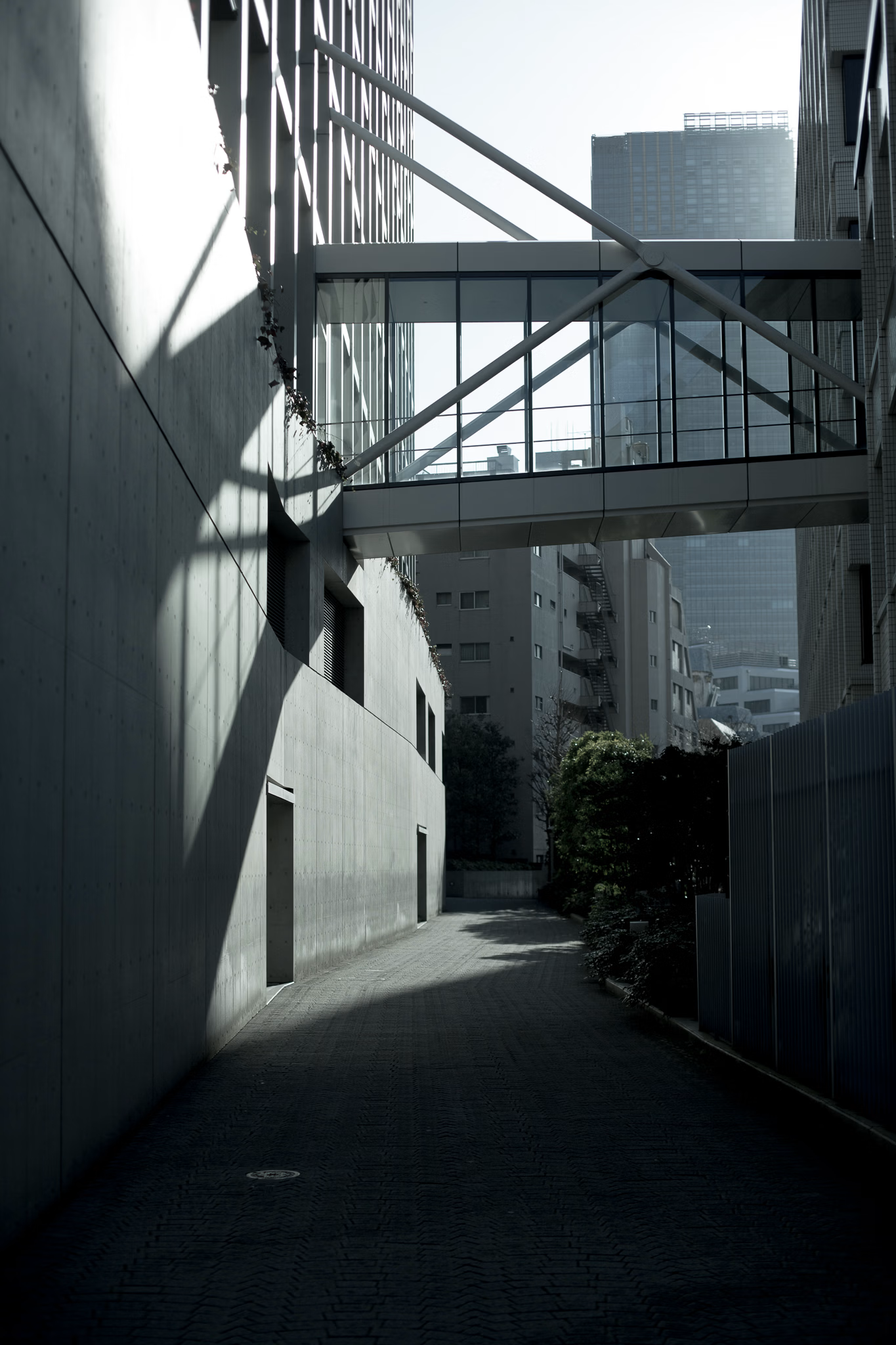
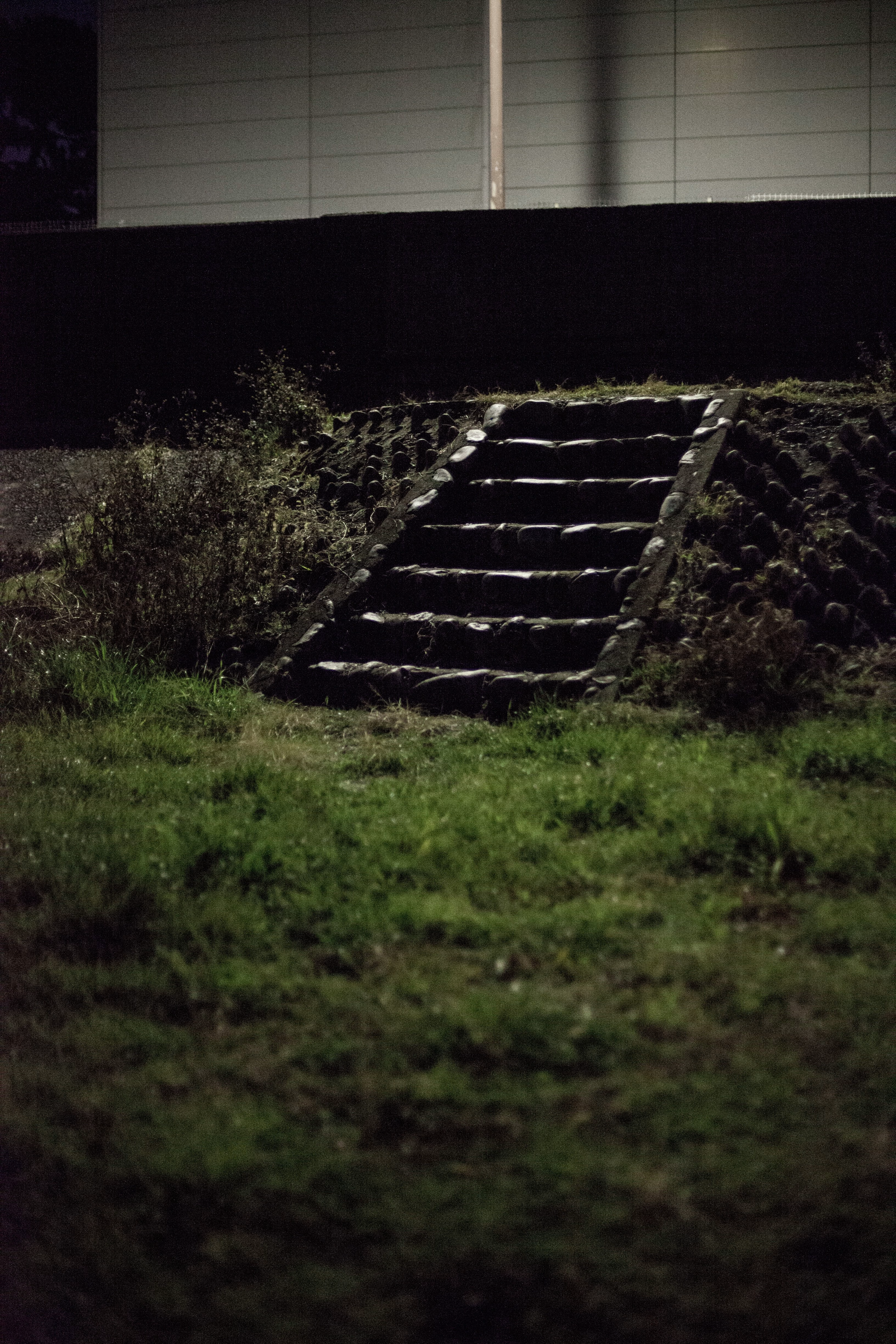
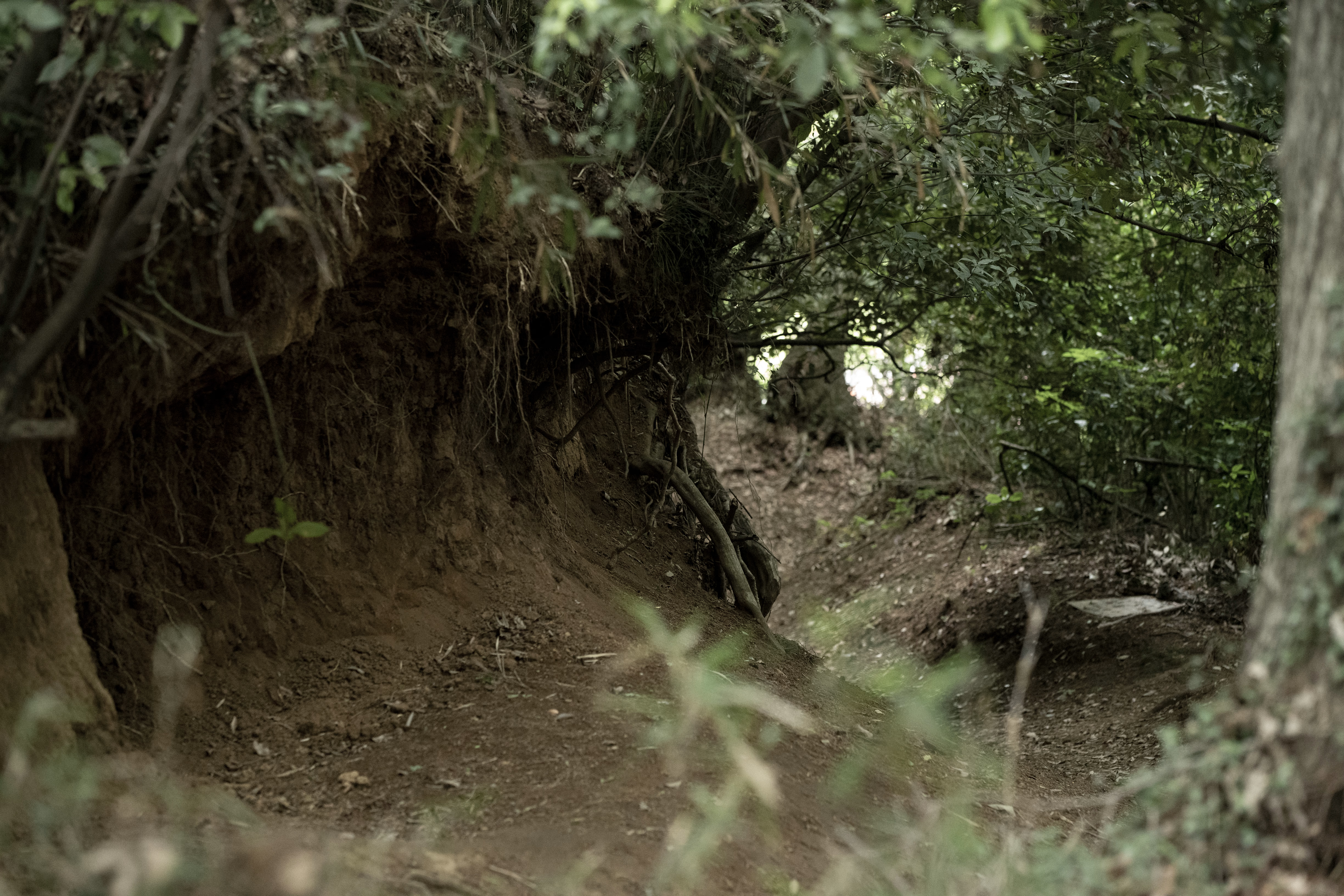
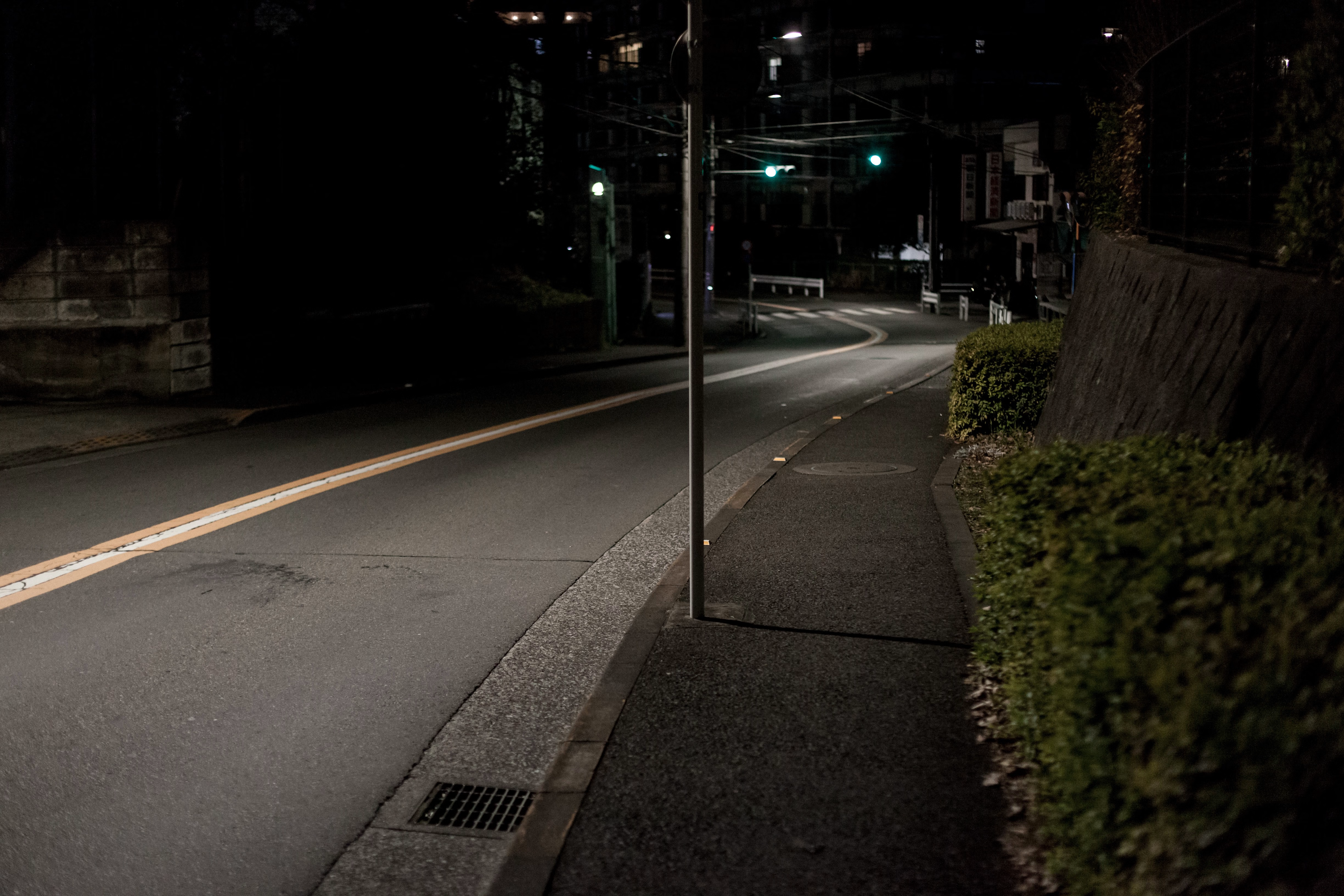
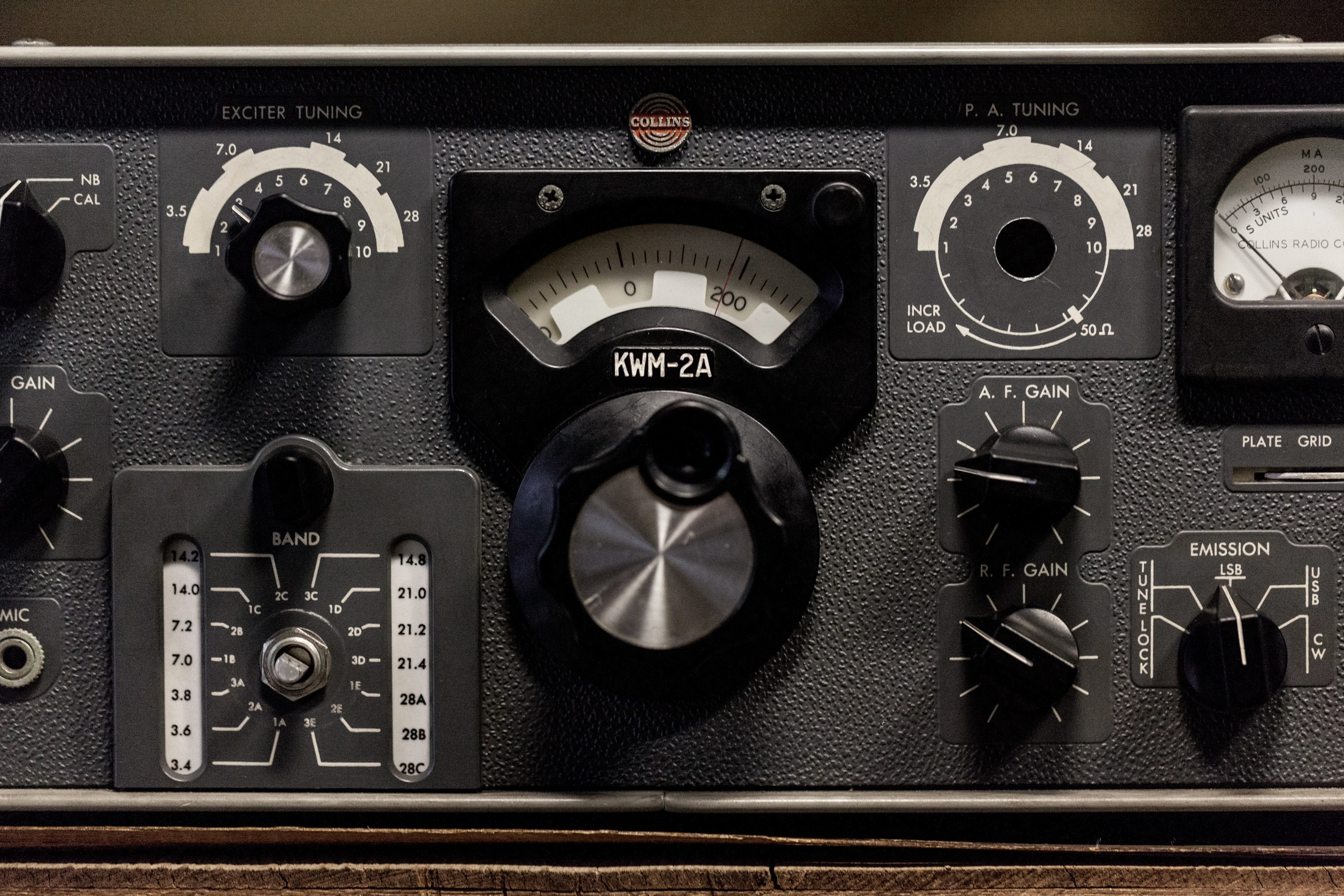
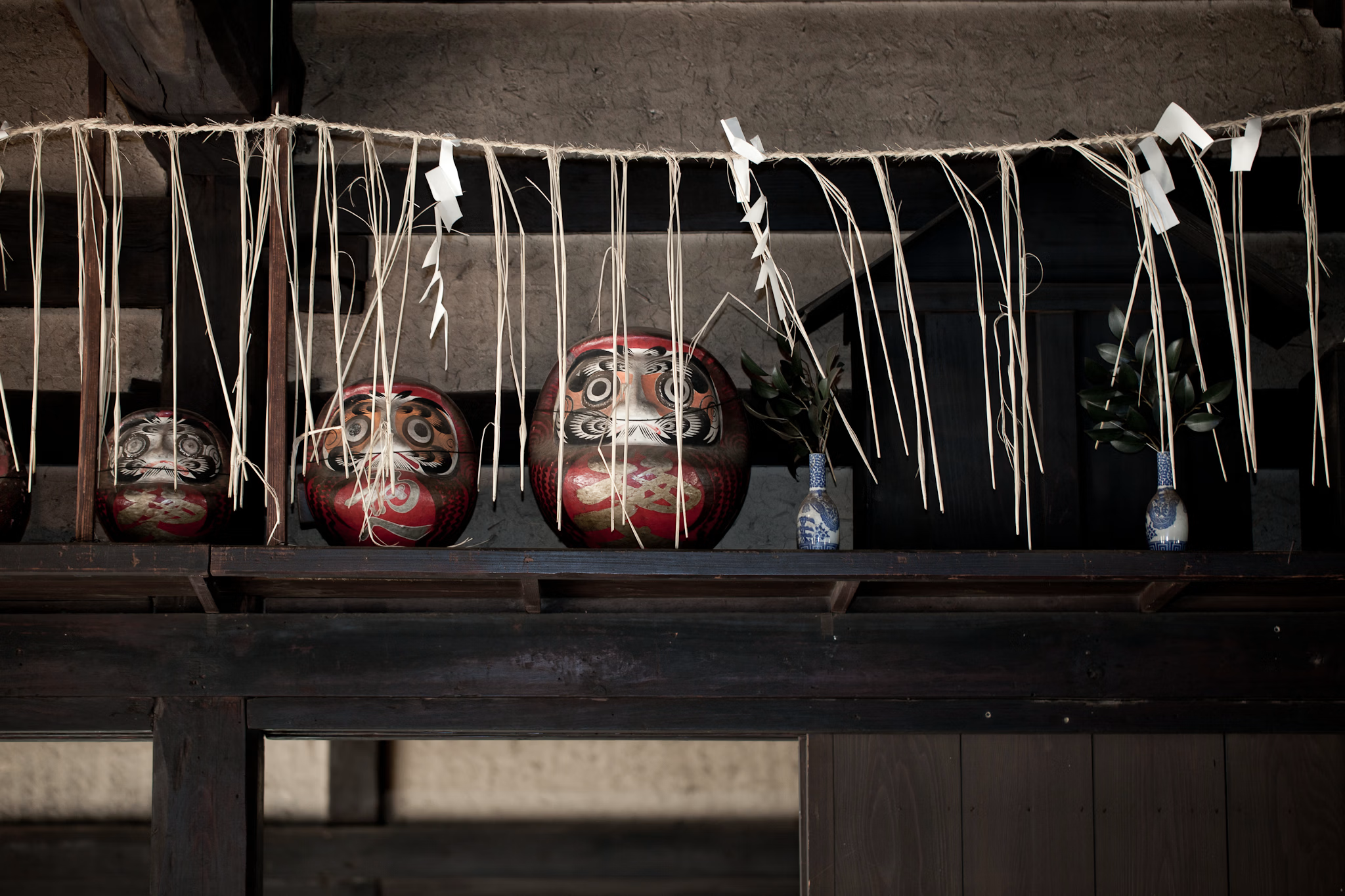
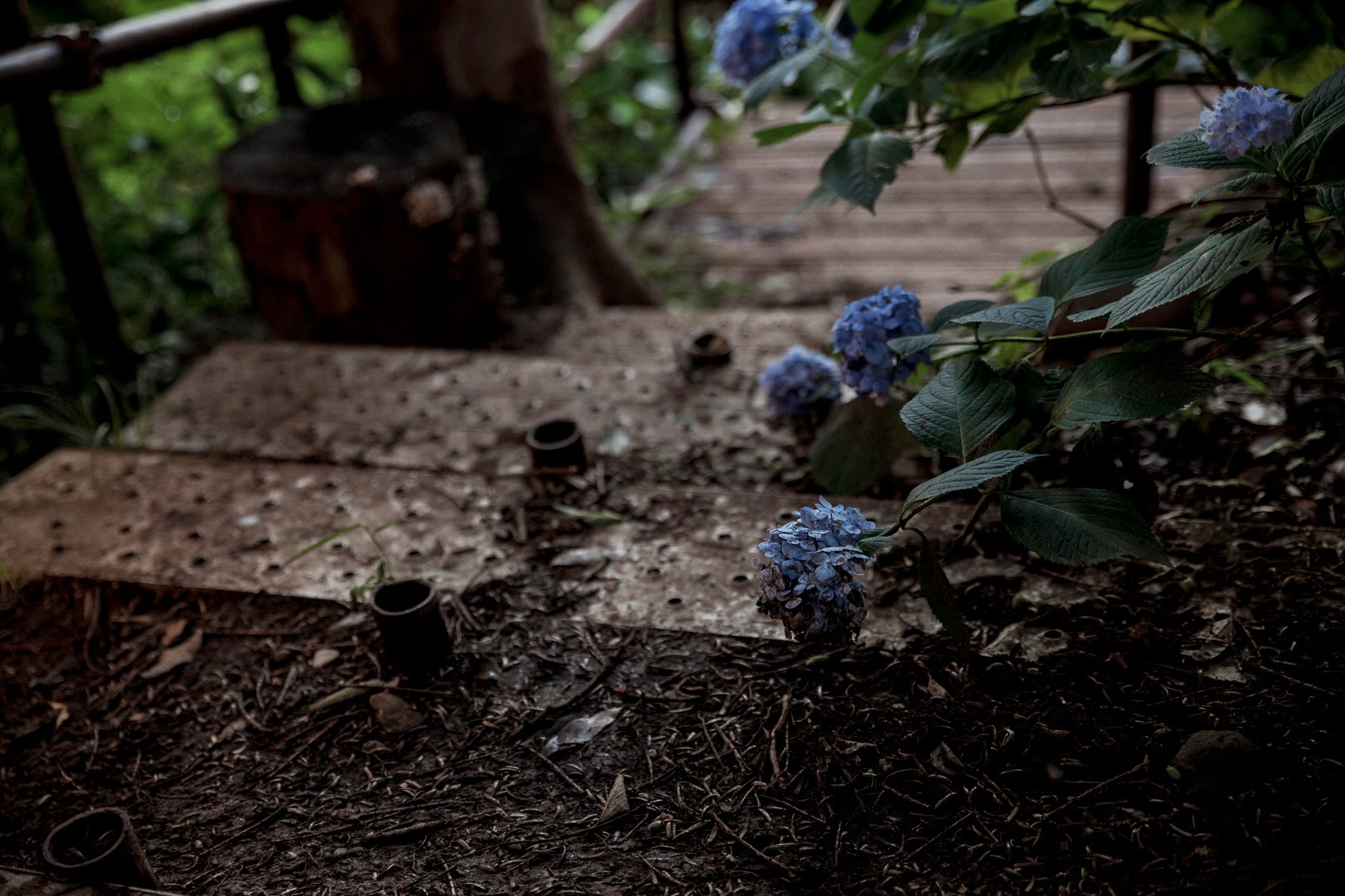
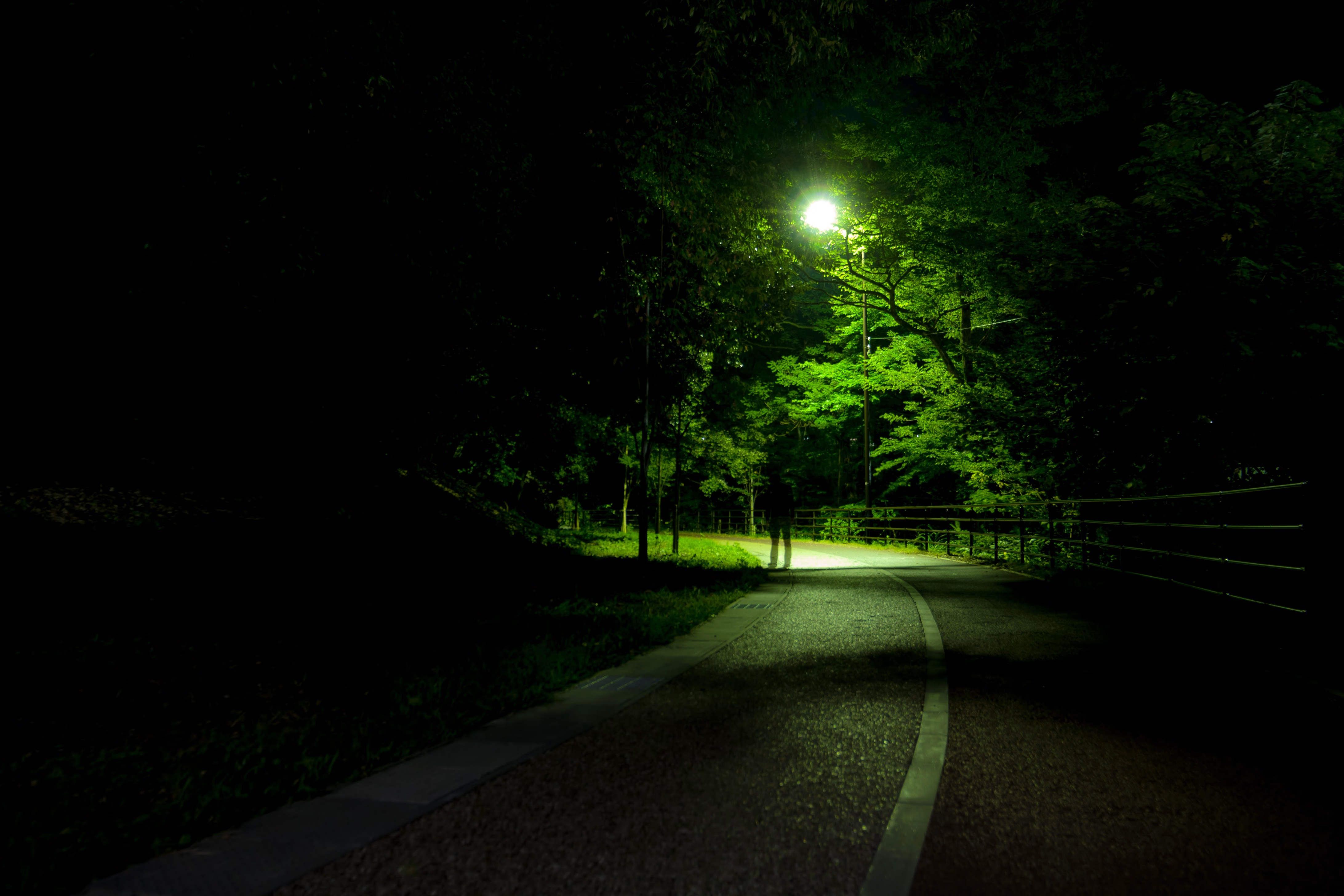
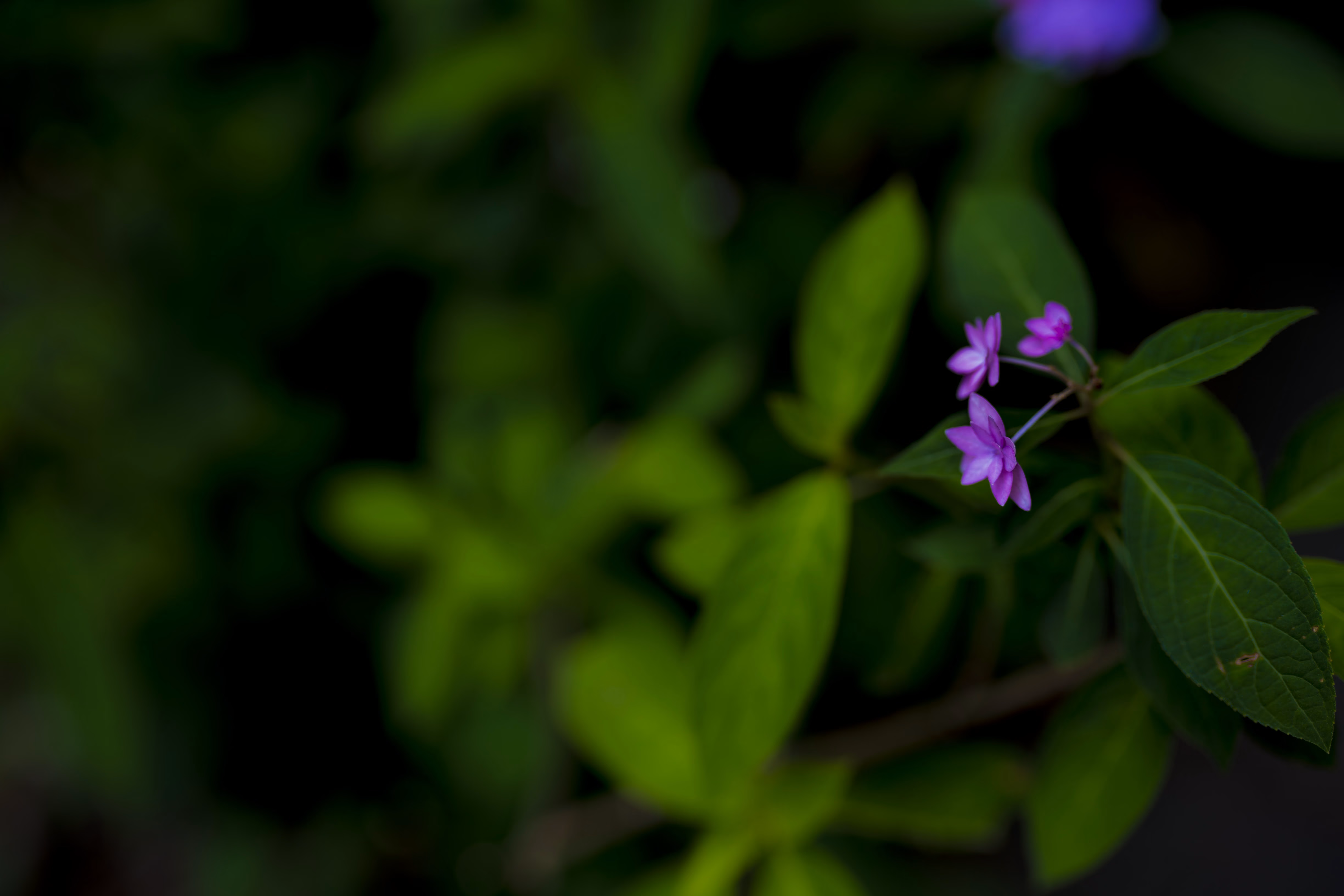
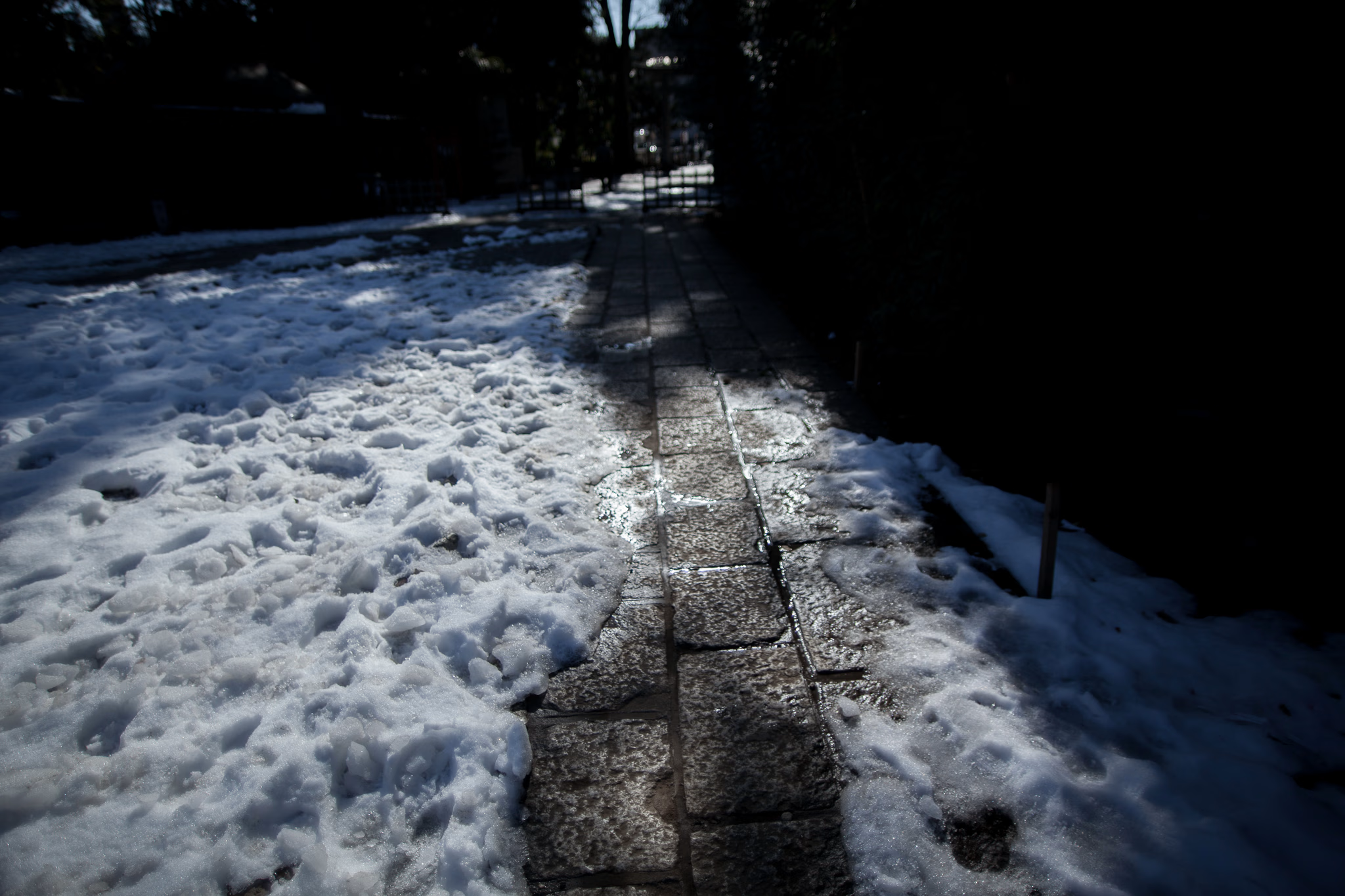
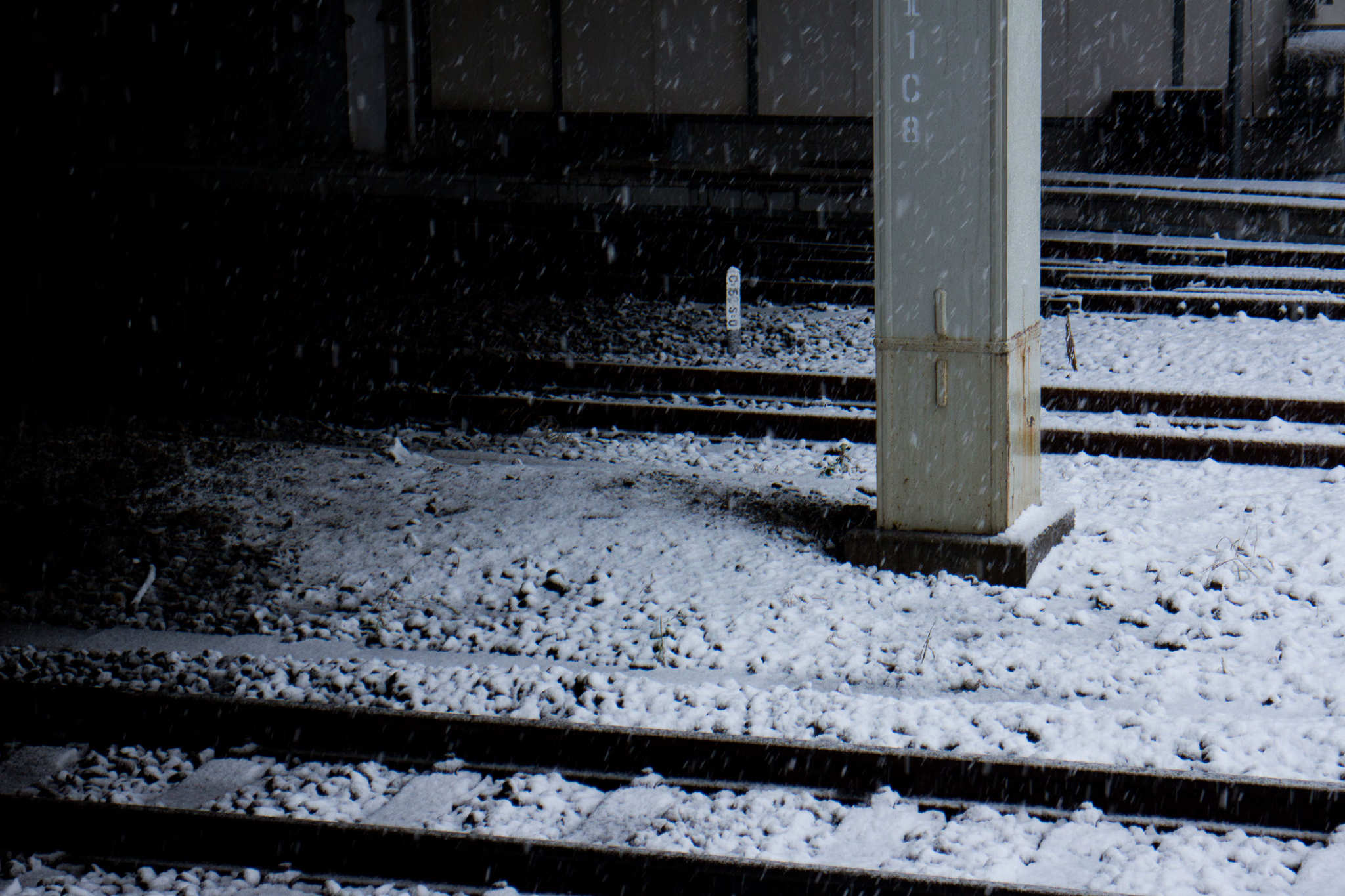
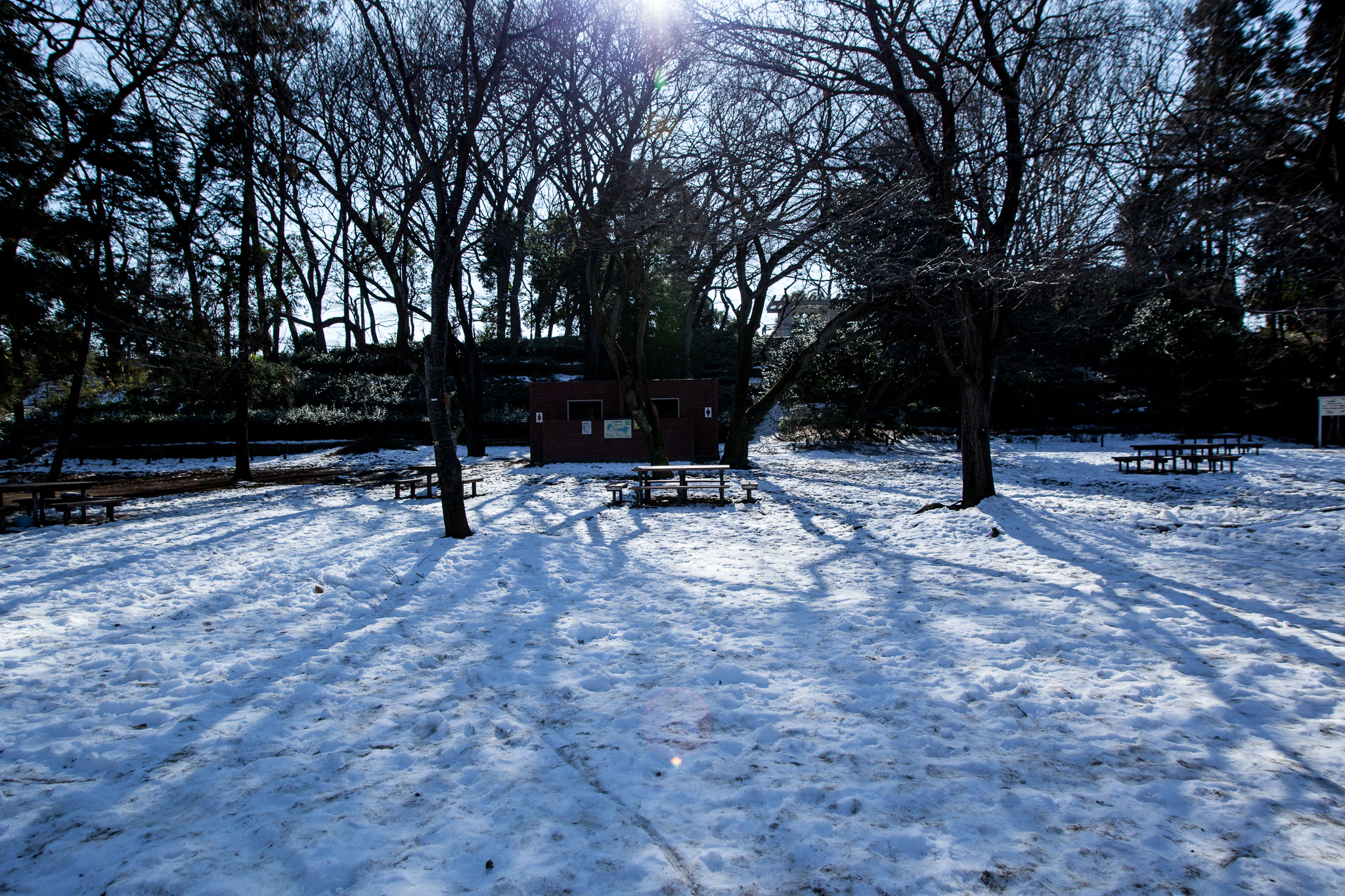
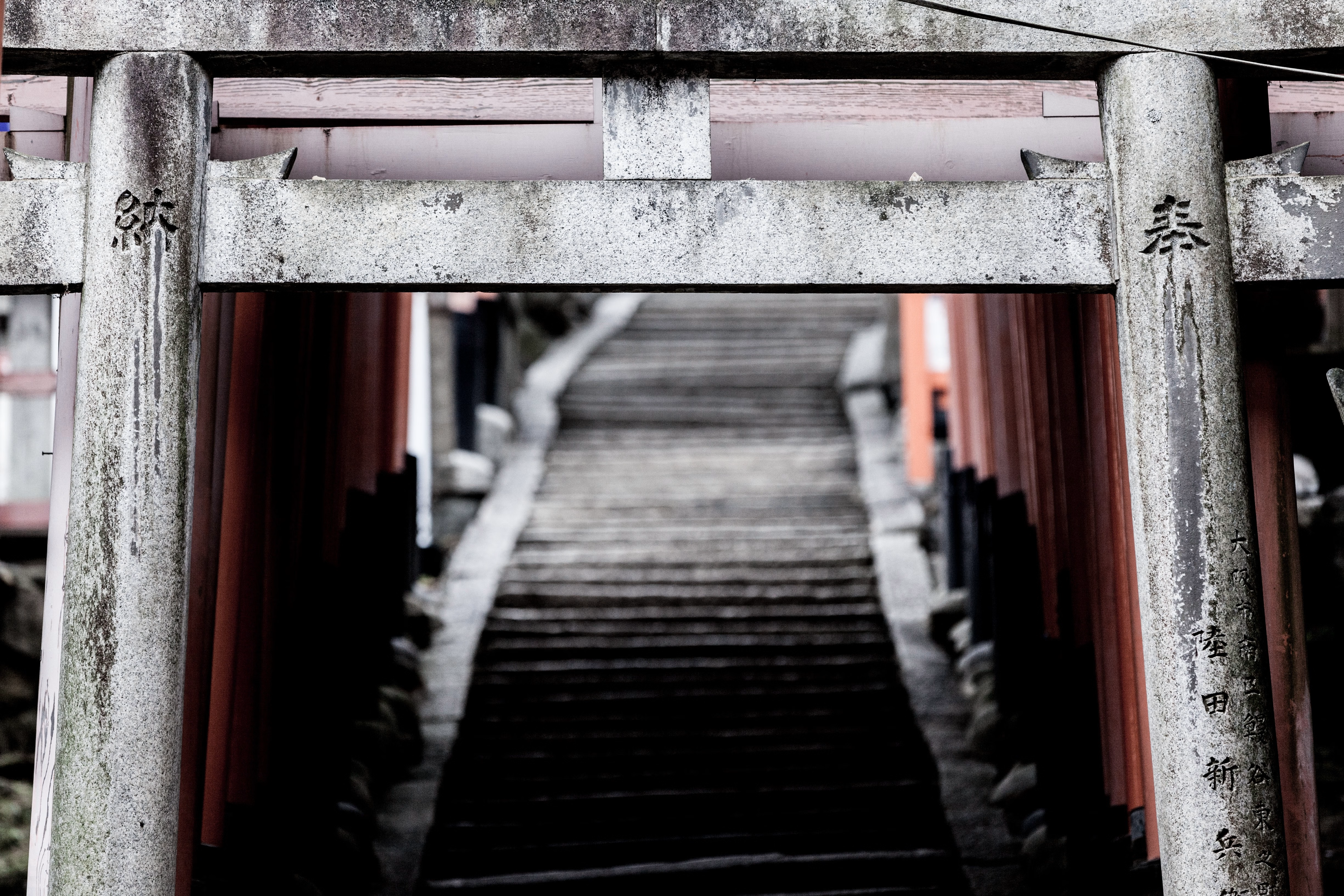
最大25600となっているけど、1600ぐらいからディテールが潰れはじめて、3200 ぐらいから色ノイズが増えて、6400 だとかなり既に色ノイズがかなり多い。それ以上はもう完全に使う気になれない。まぁ綺麗に写るなっていう範囲は800ぐらいまで。これは RAW の場合で、JPEG だと製品のウリになっているBIONZ XとやらのNRが効いてもうちょいごまかせたりするかもしれない。
EOS M より、もうちょっと高感度は強いのかな?と思ったけど、そうでもなくてほぼ同じぐらいかちょっと悪い気もする。ノイズの出方がちょっとキヤノンと違うように感じる。RAW でも輝度ノイズよりもなぜかNRが効いてるようなディテールの潰れが先にでる感じがして、そのせいで良くない感じがするのかもしれない。
Wi-Fi 連携
思ったより便利に使える。一度設定すれば、カメラ側から「この日の静止画全て」とかを選ぶとWi-Fi の AP が立って、スマフォ側から専用アプリを立ち上げると自動的に繋ぎにいって、勝手に転送をはじめて終わると切断する。
さらに、転送された画像を Google Photos にバックアップする設定にしておけば勝手に Google Photos まで撮ってだし写真をアップロードすることができる。連射したりすると Google Photos 側で勝手にアニメーション GIF にしてくれたりするので結構良い体験。
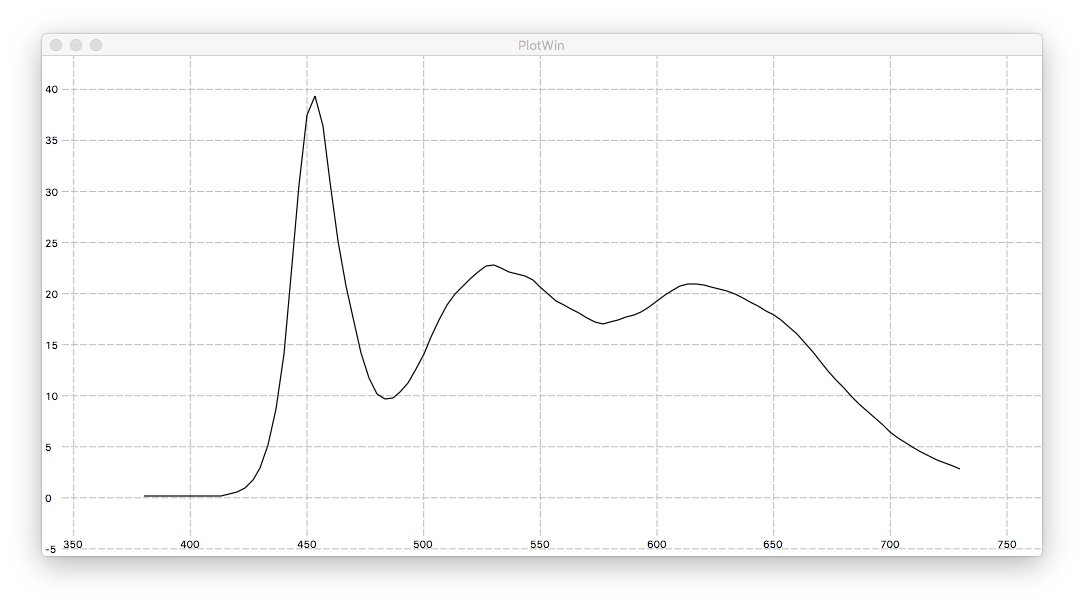
The -T option causes various color temperatures to be displayed, plus the Color Rendering Index. Three color temperatures will be shown. The first is the classic Correlated Color Temperature, which is the black body (Plankian) color closest to the measured color in the CIE 1960 UCS color space. The second is the black body (Plankian) color that has a minimum CIEDE2000 error to the measured color. The last is the daylight color that has a minimum CIEDE2000 error to the measured color. The delta E between the closest temperature and the measured color is also shown for each. The Color Rendering Index (CRI Ra) including the R9 value, plus the TLCI (Qa) is also computed if the instrument is capable of spectral measurement. If the notation (Invalid) is displayed after the CRI or TLCI, then this means that the the spectrum white point is to far from the black body and Daylight locus to be meaningful.